


What are herbal supplements?
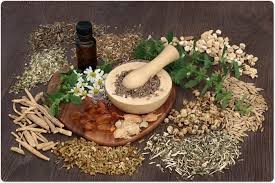
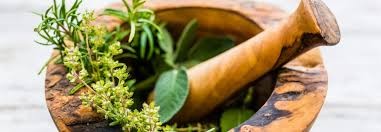
Plant-based products used to treat diseases or to maintain health, are called herbal products, botanical products, or phytomedicines. A product made from plant sources and used only for internal use is called an herbal supplement.
Many prescription medicines and over-the-counter medicines are also made from plant products. But these products contain only purified ingredients and are regulated by the FDA. Herbal supplements may contain entire plants or plant parts.
Herbal supplements come in all forms. They may be dried, chopped, powdered, or in capsule or liquid form. They can be used in many ways, including:
-
Swallowed as pills, powders, or concentrated liquid extracts (tinctures)
-
Brewed as tea
-
Used on the skin as gels, lotions, or creams
-
Added to bath water
The practice of using herbal supplements dates back thousands of years. Today, herbal supplement use is common in the U.S. But they are not for everyone. They are not subject to close scrutiny by the FDA or other governing agencies. For this reason, herbal supplements are still controversial. Talk with your healthcare provider about any symptoms or conditions you have. Discuss the use of herbal supplements.
The FDA and herbal supplements
The FDA considers herbal supplements as foods, not medicines. So they are not subject to the same testing, manufacturing, and labeling standards and regulations as medicines.
You can now see labels that explain how herbs can influence different actions in the body. But herbal supplement labels are not permitted to say that herbs treat specific health conditions. This is because herbal supplements are not subject to clinical trials or to the same manufacturing standards as prescription or traditional over-the-counter medicines. There is no research that proves a certain herb cures or treats a health problem or prevents a certain condition.
For example, St. John's wort is a popular herbal supplement. It's thought to be useful for treating depression in some cases. A product label on St. John's wort might say that it "enhances mood." But it can't claim to treat a specific condition, such as depression.
Herbal supplements, unlike medicines, do not need to be standardized to make sure of batch-to-batch consistency. Some manufacturers may use the word standardized on a supplement label. But it may not mean the same thing from one manufacturer to the next.
Precautions when choosing herbal supplements
Herbal supplements can interact with conventional medicines. Some may have strong effects. Don't self-diagnose or self-prescribe. Talk with your healthcare provider before taking herbal supplements.
-
Educate yourself. Learn as much as you can about the herbs you are taking. Talk with your provider and contact herbal supplement manufacturers for information. Pharmacists can be easy to access, reliable sources of information on the effects of herbal supplements. They can also provide helpful information about any interactions between medicines and herbal supplements.
-
Follow label instructions carefully. If you use herbal supplements, use the prescribed dosage only. Never take more than the advised dosage. Look for information about who should not take the supplement. Find out if there are any health conditions, certain medicine interactions, or other factors when the supplement should not be used.
-
Work with a professional. Look for the services of a trained and licensed herbalist or licensed naturopathic healthcare provider who has a lot of training in this area.
-
Watch for side effects. If you have symptoms, such as nausea, dizziness, rash, headache, or upset stomach, reduce the dosage or stop taking the supplement. Get medical care if symptoms don't decrease. Or if they get worse.
-
Watch for allergic reactions. A severe allergic reaction can cause trouble breathing. If such a problem happens, call 911 or the emergency number in your area for help.
-
Research the company whose herbs you are taking. Herbal supplements are not all made the same way. Choose a reputable manufacturer's brand. Ask yourself:
-
Is the manufacturer researching its own herbal products? Or just relying on the research efforts of others?
-
Does the product make outlandish or hard-to-prove claims?
-
Does the product label give information about the standardized formula, side effects, ingredients, directions, and precautions?
-
Is the label information clear and easy to read?
-
Is there a toll-free telephone number, an address? Or a website address listed so consumers can find out more information about the product?
-
Is the product tested and certified by a third party company to make sure of quality, safety and effectiveness?
-
What are some of the most common herbal supplements?
This list of common herbal supplements is for informational purposes only. Talk with your healthcare provider to discuss your own health conditions or symptoms. Don't self-diagnose. Talk with your provider before taking any herbal supplements.
Related products
phytomedicines
Frequently Bought Together
No frequently bought products found!
Products from this Seller
View All




Philips Rice Cooker 0.6L
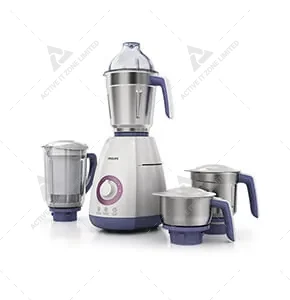
Philips Mixer Grinder HL7555/00
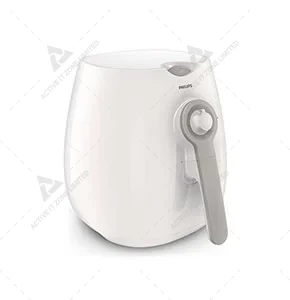
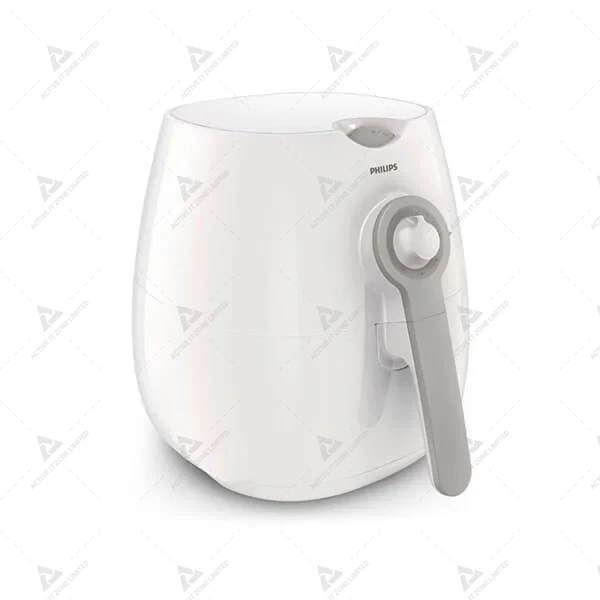
Philipps Airfryer XXL




phytomedicines


Men's Hoodies
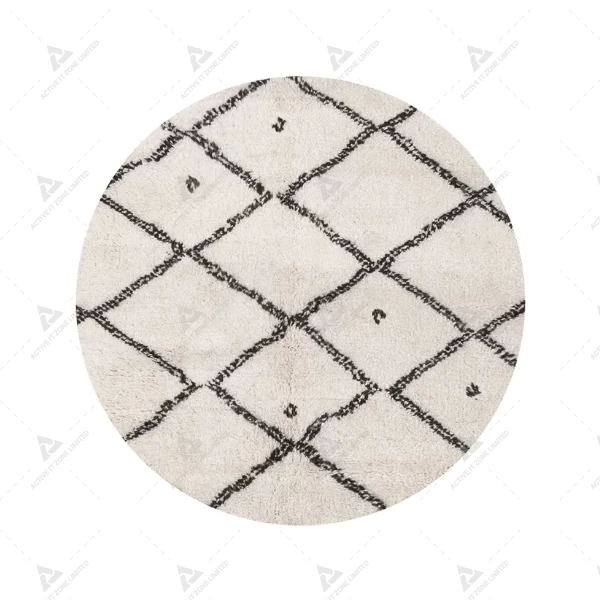
Fleck Splash Round Kitchen Mat



Share with Friends
Trading is more effective when you share products with friends!Share you link
Share to